19 Best Things to Do in Svolvær Lofoten: A Local’s Guide (2026)
Svolvær is the largest town in Lofoten. Well, it is still only around 4,800 people, so maybe not what you would call a town, but it’s still a town. Svolvær is like the capital of the Lofoten Islands.
This tiny “capital” has its own airport, and it is one of the harbors where the Hurtigruten docks (the coastal voyage between Bergen and Kirkenes). If you are looking for a road trip in Lofoten, you can also fly to Evenes (Harstad and Narvik airport further north) and drive down to Svolvær, or take the ferry from Bodø to Moskenes and drive up from the south.
Many people just consider Svolvær a starting point and start driving straight out from the airport, headed for Henningsvær, Reine, or the mountains because every Lofoten photo you’ve seen on Instagram was taken somewhere around here.
Let me tell you that’s a mistake. I live in Lofoten (down west, in Reine), and yet I travel to Svolvær quite often, especially to eat. The Lofoten capital deserves at least a full day on your itinerary, not to be just a fuel stop between the airport and the “real” Lofoten.
Here’s what’s actually worth your time.
Quick Guide: Svolvær at a Glance
- Island: Austvågøya Island, the northernmost main island in Lofoten
- Population: Roughly 4,800 — the largest town in the archipelago
- Known for: The Svolværgeita rock pinnacle, the Fløya hike, and being the administrative center of Vågan municipality
- Getting there: Svolvær Airport (SVJ), the Hurtigruten coastal ferry, or the E10 by car
- Good base for: First or last night in Lofoten, make it a couple of days, day trips to Kabelvåg and the Trollfjord
- Not a good base for: Reinebringen, the Reine fjord, or anything on the southern tip, which is a solid 2+ hour drive
Best Things to Do in Svolvær
1. Join A Silent Trollfjord Fjord Cruise
A hybrid-electric boat trip takes you out to the Trollfjord, a narrow fjord squeezed between steep mountain walls, with white-tailed eagles a realistic sight along the way.
You may have seen videos or photos from here; it is one of the most well-known and spectacular places to visit by boat, just a bit north of Svolvær. I had this experience with the Hurtigruten Coastal Journey in September – not just spectacular, but also very impressive (Hurtigruten is a large ship, and Trollfjord is a narrow fjord).
This is the activity I’d actually recommend over the climb for most visitors. It is not physically demanding but offers the same scenery, and you don’t need a head for heights.
2. Take a RIB Sea-Eagle Safari
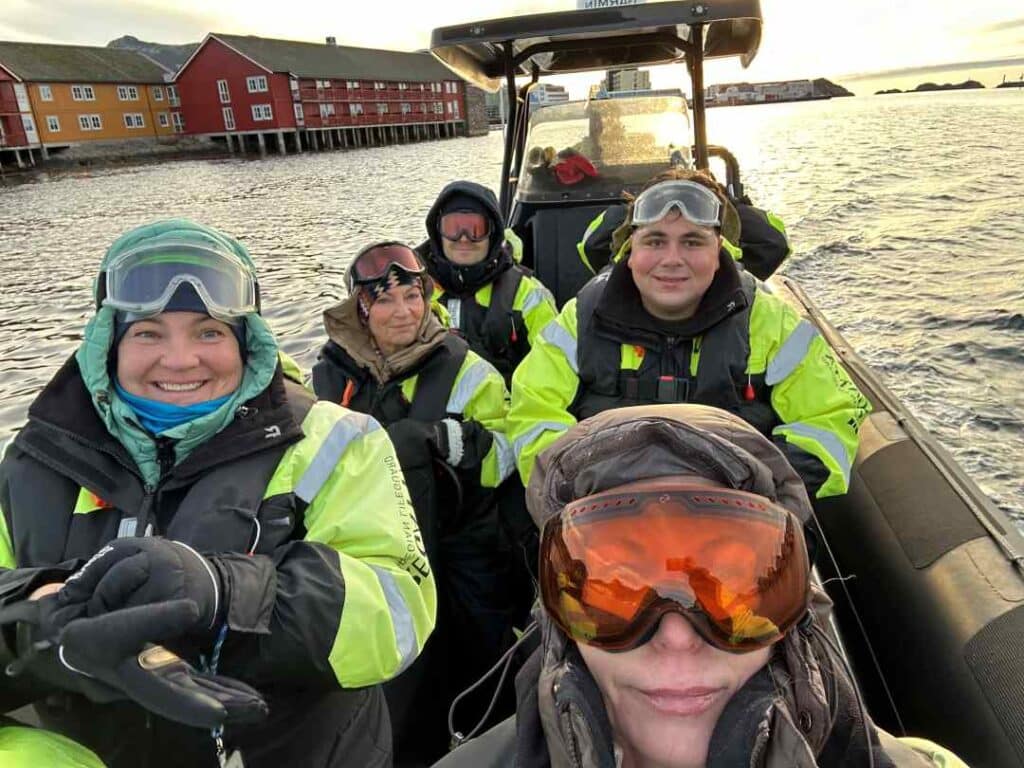
Set off on an unforgettable adventure from Svolvær harbor on a thrilling RIB sea eagle safari.
You will set off slowly, and then speed up as the skipper heads for the best sea eagle spotting areas outside Svolvær. Feel the Arctic wind on your face as you speed between dramatic mountains, and watch majestic white-tailed sea eagles (and other birds, and sometimes even whales) soar above and below the water.
This is Lofoten at its wildest, a close encounter with nature that will stay with you long after you return to shore. It certainly did for me; I loved this tour.
3. Go on a guided sea-kayaking tour
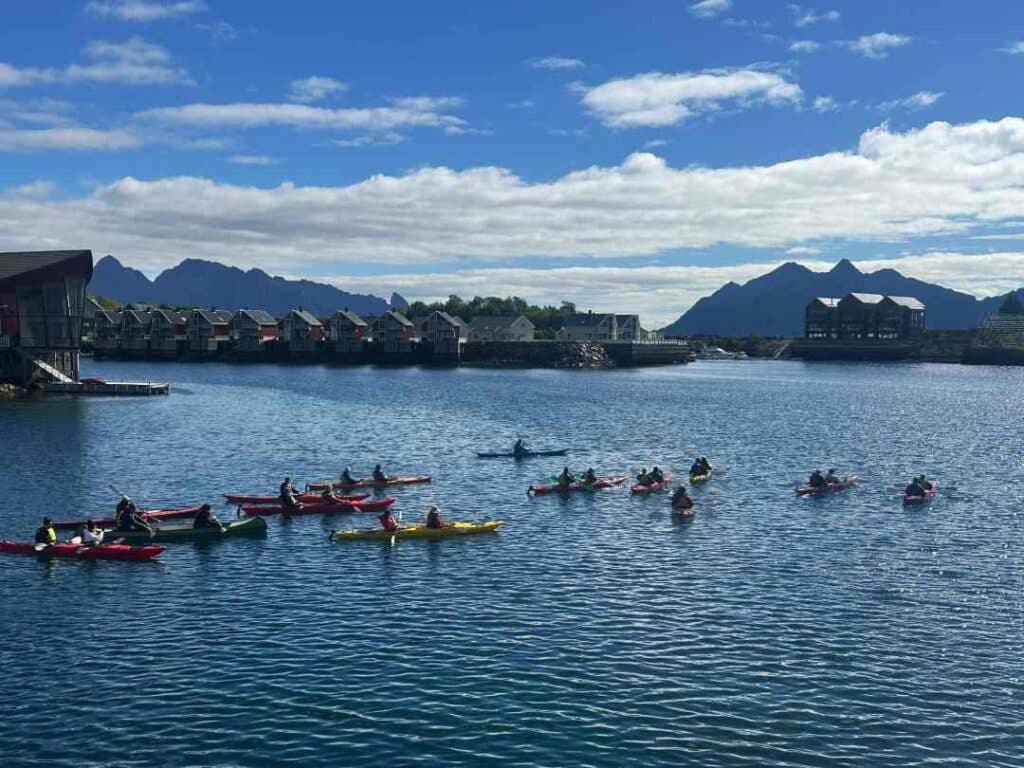
Imagine gliding silently from the center harbor right out across the Arctic waters, surrounded by towering mountains, colorful fishing cabins, and the raw beauty of the Lofoten Islands.
Sea kayaking from Svolvær lets you slow down, breathe in the fresh Arctic air, and experience Lofoten from a new perspective, up close and personal. Sometimes, that is the best way, instead of rushing through your itinerary.
There are several tour options, and dont worry if you have never sea kayaked before. The guides will go through all the safety things you need to know and take good care of you.
- Click to check the two-hour guided tour
- Click to check the four-hour guided tour
- Click to check the guided winter kayak tour
4. Book a floating sauna session at LYST Lofoten Sauna
Book a session at LYST Floating Sea Sauna in Svolvær and warm up in the soothing heat while gazing out at the spectacular Arctic landscape.
Then take the plunge into the refreshing Norwegian Sea for the ultimate hot-and-cold experience (if you have the guts). Surrounded by mountains, sea, and endless northern skies, this is a one-of-a-kind experience.
Also a perfect combo of relaxation and adventure before you head out for a fresh Lofoten dinner.
5. Join A Fishing Boat to Catch Skrei
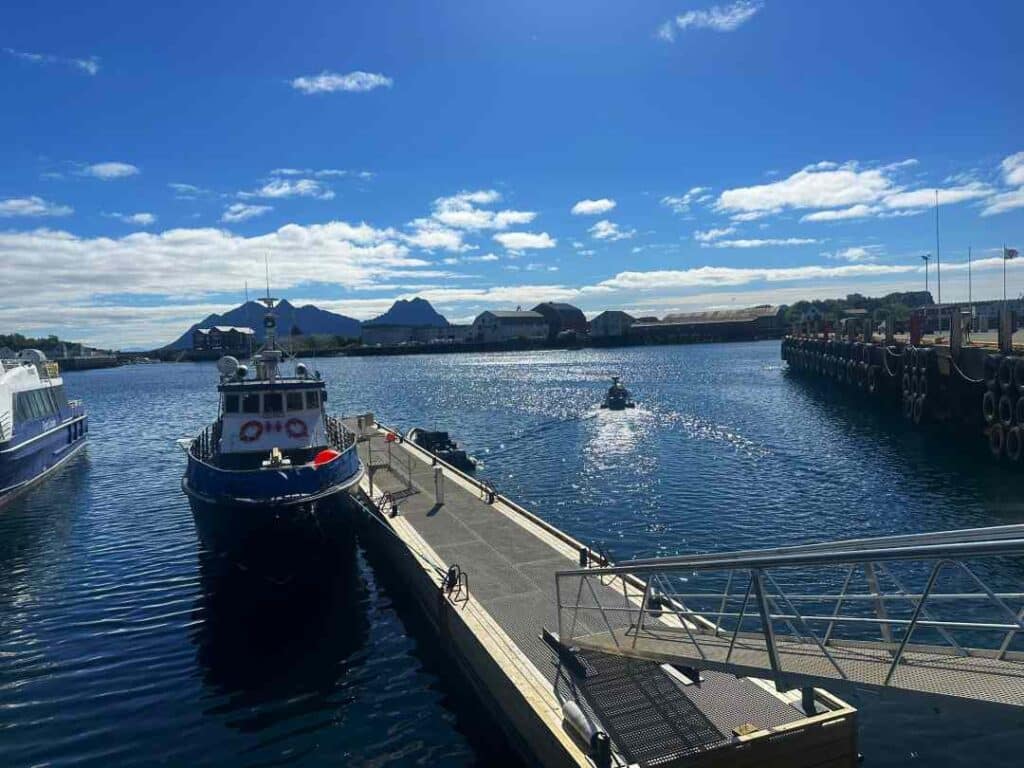
Take a day trip with a fishing boat and join the traditional Skrei fishing in Lofoten, which has several departures from Svolvær.
Skrei is a huge migratory cod that is in season from January to March or April, and fishing skrei is super popular; there is even a world championship here every year where you dont have to be a Lofoten local to win.
Book a deep-sea fishing charter, or join a catch-and-dine fishing experience where offered.
6. Hike Fløya and Djevelporten
This is the hike to do if you only do one, and the trailhead starts right in town. The parking near the churchyard on Blåtindveien road fills up fast, so get there early.
It’s 1.5 km one way to the 590-meter summit, and the terrain changes character three times. There is a staircase section that’s genuinely easy, then a stretch toward Djevelporten that’s medium effort, and a final scramble to the summit cairn that is not for anyone uncomfortable with exposure.
Djevelporten (the Devil’s Gate) is a massive boulder wedged between two rock walls above a steep gorge between the Frosken and Fløya peaks. The staircase that was built up to it a few years back is nicknamed, accurately, the Devil’s Staircase.
Plan to spend about two hours up, and a little less on the way down. The view from the top is the whole town of Svolvær and the West Fjord laid out below you, and it is one of the few views in Lofoten you will probably find worth the scramble at the end.
7. Chase The Northern Lights In Winter
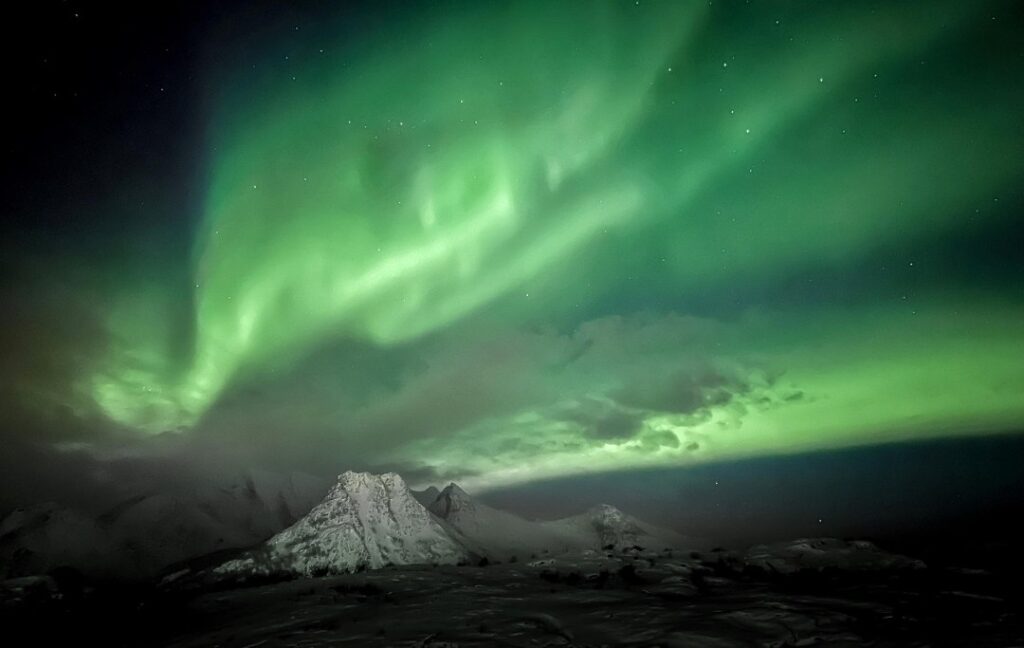
Chasing the Northern Lights in Svolvær is chasing pure Arctic magic. Dancing ribbons of green light illuminate snow-covered mountains, reflect across the fjords, and transform the winter sky into nature’s most extraordinary show.
In Lofoten, every clear night brings the possibility of witnessing this dance in the sky. But you need clear skies; otherwise, you will not see anything.
In many places in Lofoten, you just have to step outside the rorbu and look up to spot the Aurora if it is there. In Svolvær, however, there is more artificial light pollution than in more remote places, so you might want to get a bit out of town.
Booking an organized tour to chase the Aurora Borealis can be a good idea. Wrap up warm, look to the sky, and let the Arctic surprise you.
8. Step Into Magic Ice Gallery
The world’s first permanent ice gallery and magical adventure in Svolvær, Lofoten, a sub-zero experience that you´ll never forget. Step inside the biggest Magic Ice gallery and be amazed as you come face to face with the fascinating history of Lofoten and its fishermen and Vikings all created in ice sculptures.
You´ll get a warm welcome, a winter poncho and gloves to wear inside, and a special signature drink served in an ice glass. Snap away- who can get the best selfie with one of our tremendous sculptures?
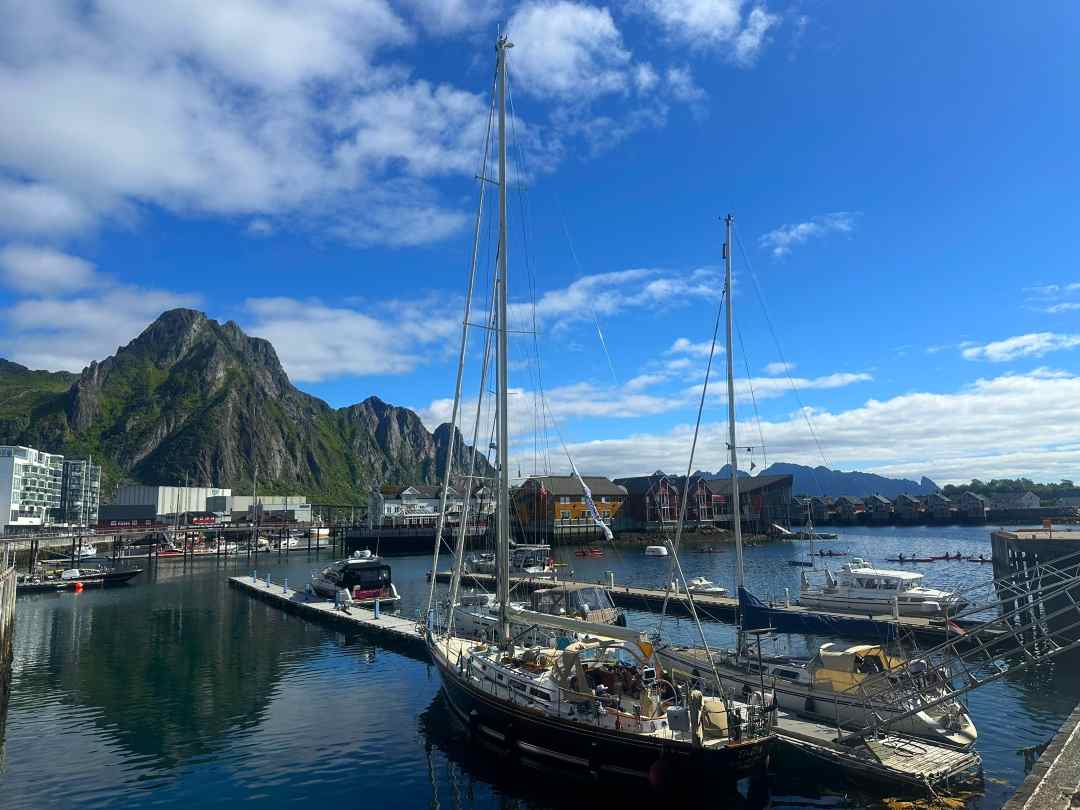
9. Walk the Harbor at Svinøya Island
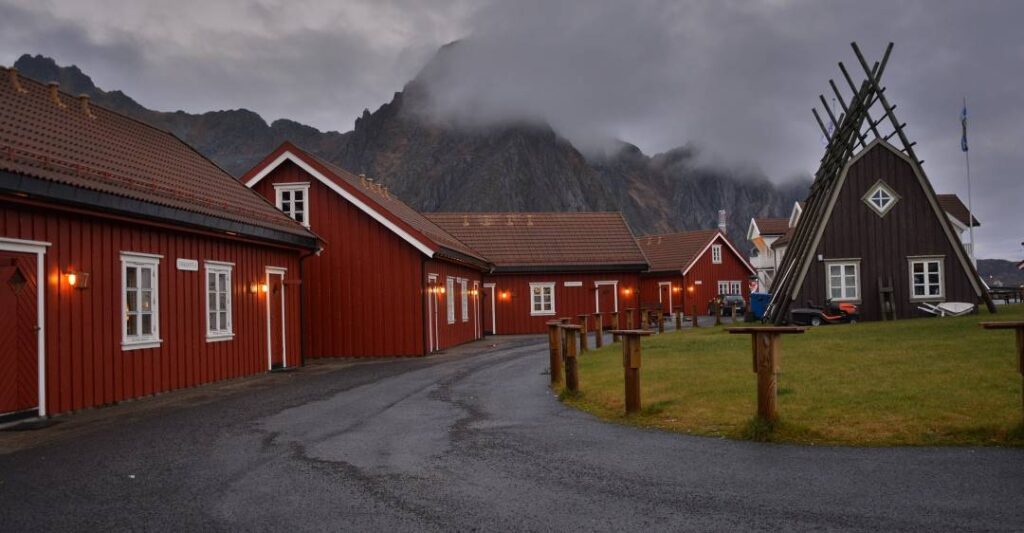
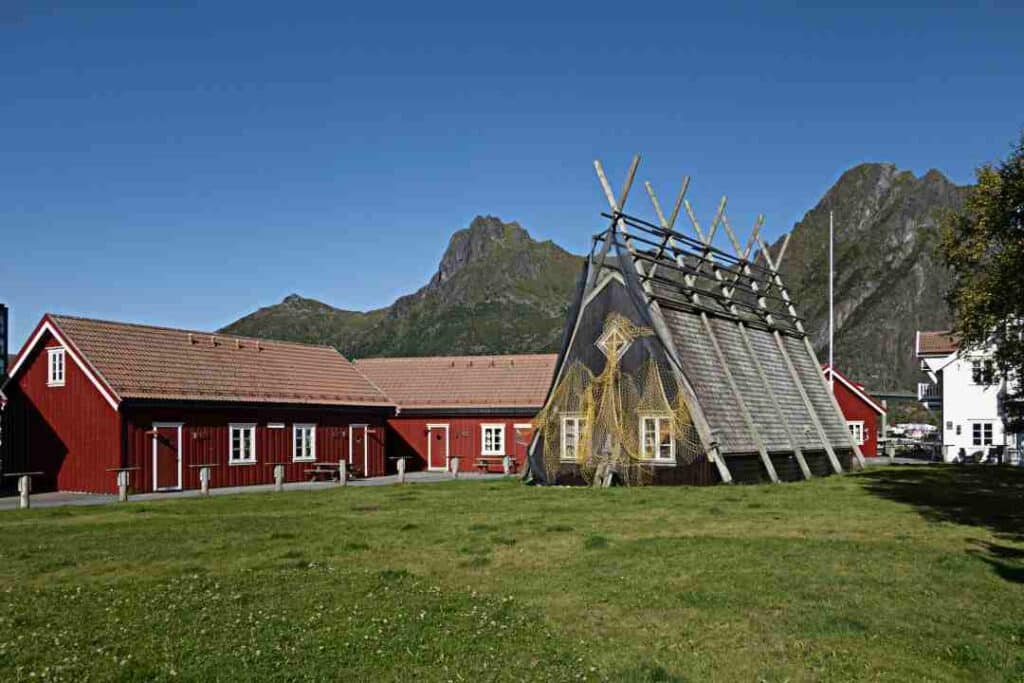
The old fishing district across the harbor bridge, with rorbuer (fishermen’s cabins, now mostly accommodation), a working harbor, and the kind of quiet that’s worth building twenty minutes into your day for.
Visit the Fisherman’s Wife statue, Gallery Gunnar Berg art gallery, and explore the old industrial area known as Kuba (there are music festivals here in the summer).
Børsen Spiseri, a restaurant in a historic building here, is worth knowing about even if you’re not eating.
10. Visit Lofoten War Memorial Museum
Step back in time for a little while at the Lofoten War Memorial Museum in Svolvær, home to an impressive collection of World War II memorabilia, uniforms, weapons, photographs, and personal stories.
A fascinating stop for history enthusiasts, offering a glimpse into Norway’s wartime past and the German occupation of Lofoten.
11. Do A Guided Snowshoe Hike
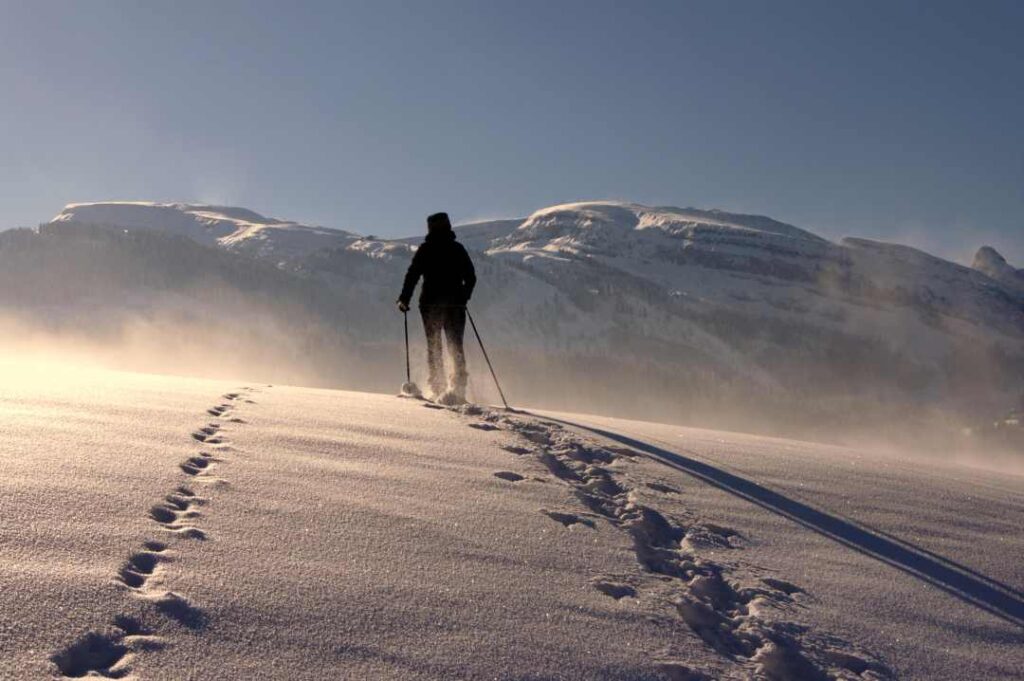
Hiking is not just available in summer, although not all mountain trails are suitable for winter hikes. But some are.
One caveat: to hike in winter without a guide, you should have solid skills in evaluating snow and avalanche risk. Also, remember that days are short to non-existent; Polar Night lasts about six weeks between December and January. In February and March, you can get some sun again.
If you dont have winter hiking skills but still want to head out with snowshoes, I suggest hiring a local, experienced snowshoe guide. Then you get to experience the magic of Lofoten winter mountains under the blue light without taking any unnecessary risks.
12. Explore The North Norwegian Art Center
Step into the creative soul of Lofoten at the Lofoten Contemporary Museum in Svolvær.
A contemporary art museum in a town that doesn’t look like it should have one, which is sort of the point. Good option for a wet-weather afternoon, and Lofoten has plenty of those.
Discover thought-provoking artworks, local perspectives, and artistic expressions shaped by Northern Norway’s dramatic landscapes, Arctic light, and rich cultural heritage. A lovely stop for anyone looking to experience a more creative and unexpected side of Lofoten.
13. Book A Guided Food Experience
Any traveling foodies will probably enjoy the Taste of Lofoten food tour, with authentic flavors of Northern Norway.
Starting from Svolvær harbor, this journey of about 1,5 hours combines sampling local food with fascinating stories about local culture and centuries of fishing traditions (and “northerners” in Norway are famous for their storytelling skills, aka exaggerations).
It is definitely entertaining, and some of the delicacies you can try are dried cod, fresh salmon, Lofoten lamb, cloudberries, and local yogurt, while learning how the sea and land have shaped life in this remarkable archipelago.
14. Notice The Svolværgeita Summit (Or Hike Up)
You don’t have to climb it (most people don’t), but you should know what you’re looking at.
The Svolværgeita (“the goat”) is the twin-horned rock pinnacle that sits above town, and it’s one of the more recognizable climbing objectives in Norway. Climbers jump between the two horns as a party trick, which tells you everything about the kind of people who climb it.
Anyways, you can also hike almost up there, to the base of the pinnacle, where you also have amazing views, and you dont have to harness in to climbing year. I did this hike years ago (not the climb), and it was well worth my time and effort.
PS: If you do want to climb the last bit up the pinnacle, please be a skilled and experienced climber, or get a certified climbing guide with you. Thank you.
15. Take the ferry from Svolvær to Skrova
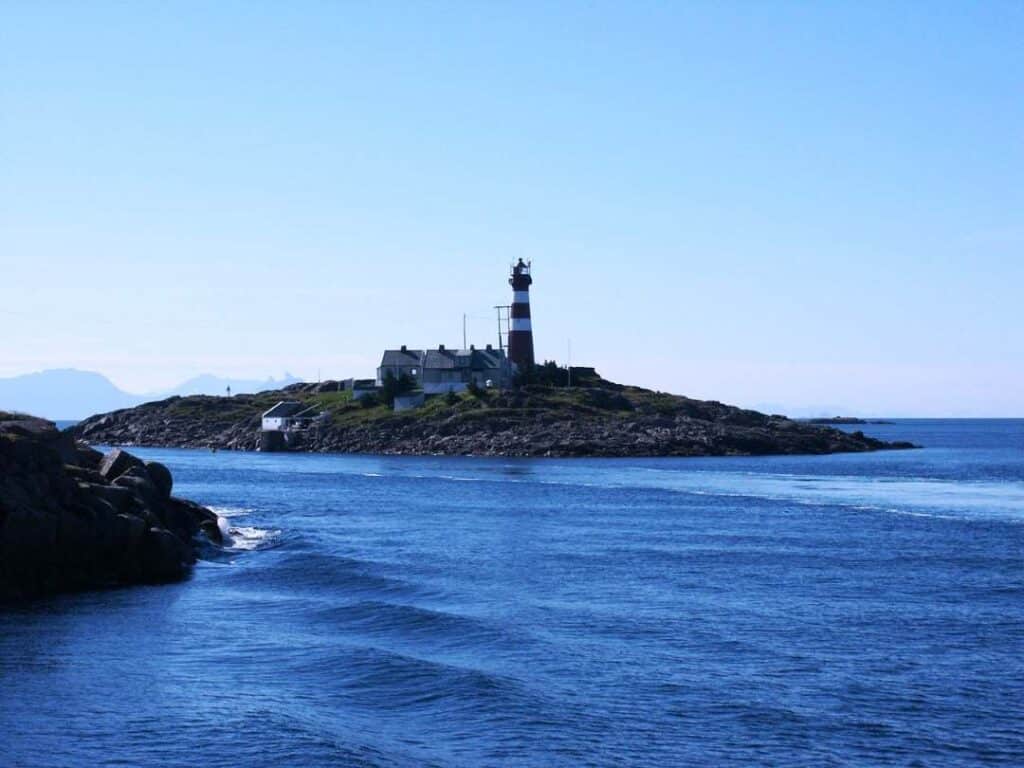
Just a short ferry ride from Svolvær, Skrova Island is a hidden gem in the Lofoten archipelago, known for its white-sand beaches, turquoise waters, colorful fishing village, and laid-back atmosphere.
In fact, Skrova is often called the “Hawaii of Lofoten”; this little island is perfect for scenic hikes, wild swimming, photography, and experiencing the quieter side of Arctic life.
- Explore Skrova village.
- Walk around Skrova harbor.
- Hike Skrovafjellet.
- Enjoy views over Vestfjorden.
- Photograph the Lofoten mountain wall from Skrova.
- Visit Skrova’s white-sand beaches.
- Explore Skrova’s art tunnel.
- Visit local cafés when open.
There are also guided tours to and around Skrova Island, where you will learn all about this small but significant island at the top of Lofoten.
16. Hike to Tjeldbergtinden
Hike Tjeldbergtinden, a rewarding mountain adventure between Svolvær and Kabelvåg in the Lofoten Islands.
The trail starts near Svolvær Fire Station, with the route passing the Linken viewpoint before climbing to the summit at 367 meters above sea level. Allow around 2–3 hours for the round trip (longer if you include walking from town).
The hike is moderately challenging, with some steep sections, but the reward is spectacular panoramic views over Svolvær, Kabelvåg, the Vestfjord, and the surrounding mountains. Absolutely worth the climb.
17. Visit Lofotpils Beer Brewery
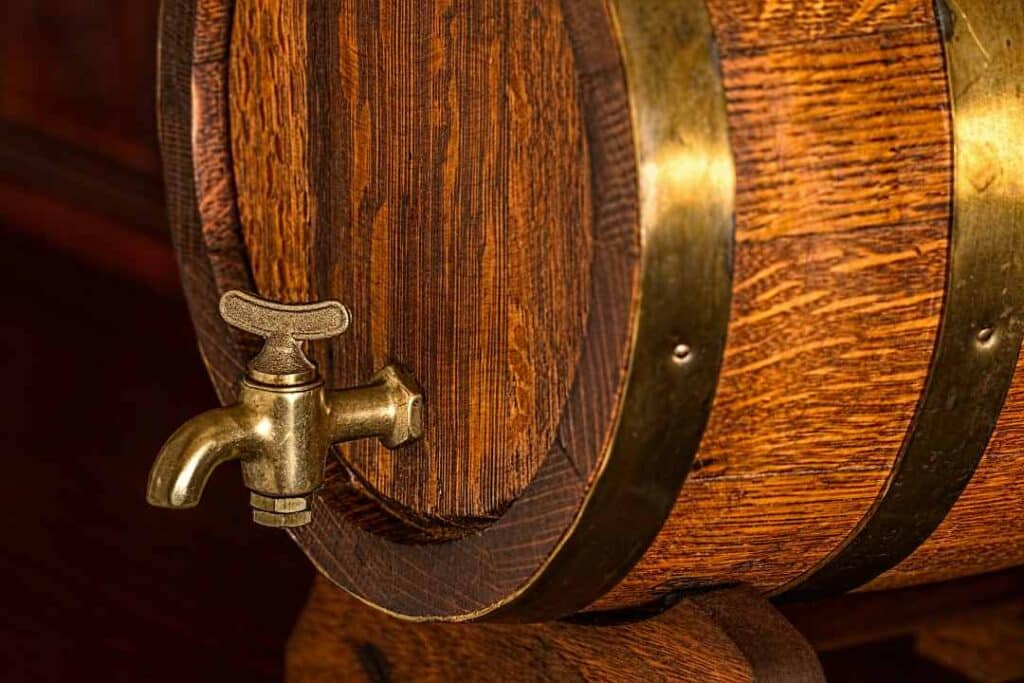
If you love beer, a visit to Lofoten Brewery might be for you. Learn about Northern Norway’s brewing traditions and enjoy flavors inspired by the wild Arctic landscape, and of course, taste the merchandise.
Whether you’re a true craft beer enthusiast or simply curious to try something local, it’s a fun stop to add to your Lofoten adventure.
You can also join a brewery tour at the Lofotpils Brewery, where you can take part in a beer tasting and learn about the particularities of local beer production.
18. Day Trip to Kabelvåg
Just five kilometers south of Svolvær and worth the short drive: Kabelvåg was the first known town-like settlement in northern Norway from around 800 AD. It is a small village, quieter and more historic than Svolvær itself.
Pair the short trip with the Fløya hike or the art center for a full day without leaving the Svolvær area.
- Walk around Kabelvåg harbor and Storvågan waterfront
- Explore the historic village streets
- Visit SKREI in Storvågan
- Visit the Lofoten Museum
- Learn about traditional fishing life
- Visit the Lofoten Aquarium (check for scheduled feedings)
- Observe marine species from local waters
- Visit Gallery Espolin
- Explore the art of Kaare Espolin Johnson
- Learn about the area’s coastal history
19. Look for special events hosted by local businesses
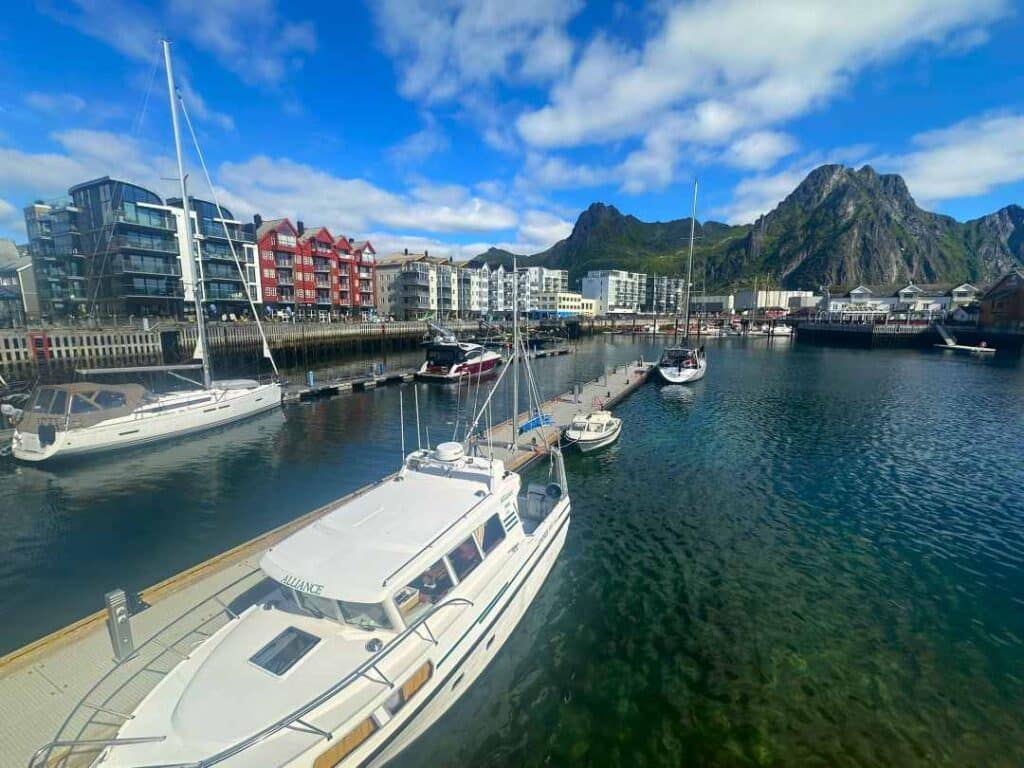
Ask about local craft workshops and current art exhibitions when you arrive, or visit the tourist information center for current activity brochures.
You can also check out the “what’s on” section of the Visit Lofoten website, which has a date-by-date overview of what’s going to happen.
Where to Eat in Svolvær
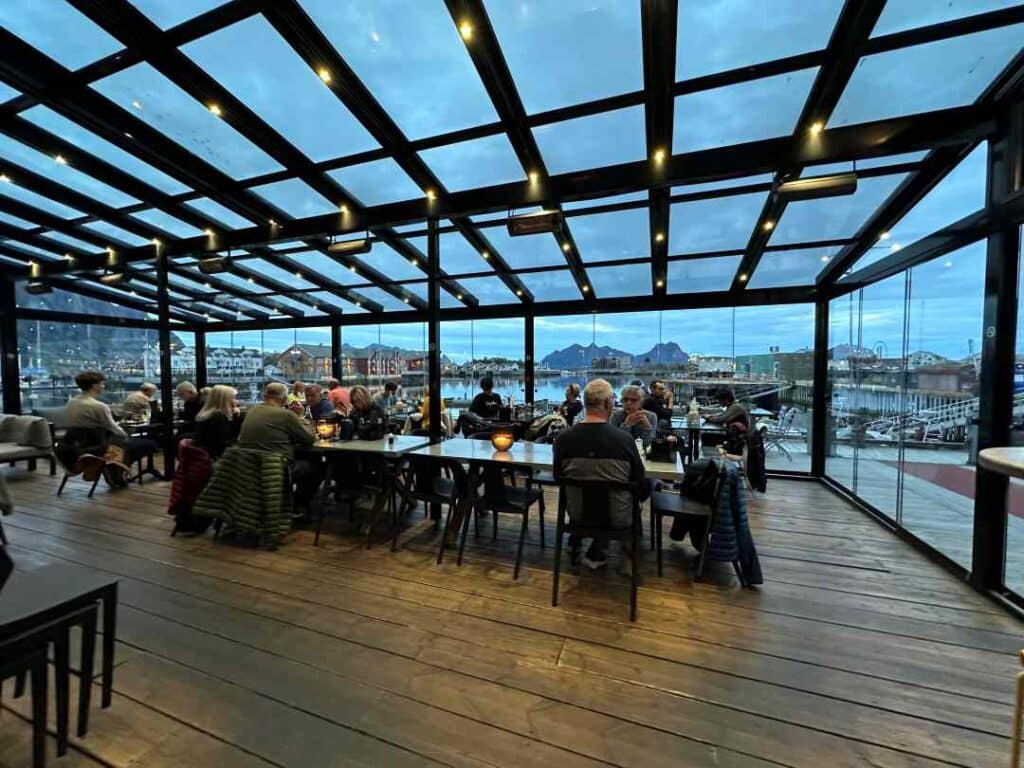
Three places worth knowing by name. First, Børsen Spiseri, on Svinøya, serves traditional Lofoten fare, stockfish and pinnekjøtt, in a rustic historic setting. In fact, the building dates back to 1828, which means you can eat under a 198-year-old roof.
Paleo Arctic is the opposite end of the spectrum: modern technique, a seasonal tasting menu, and a sophisticated room that doesn’t feel like it belongs in a town of 4,800 people in the Arctic.
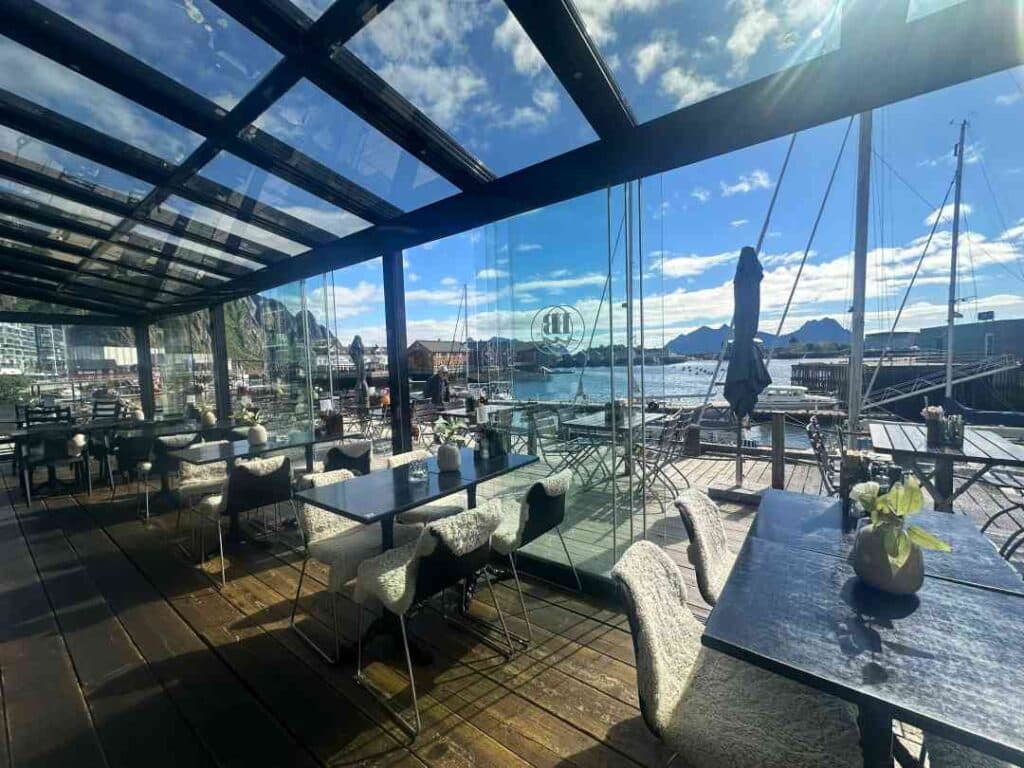
Then the one that I never miss when I visit, kind of my favorite, is Bacalao (photo above). You can sit in the winter garden when it is chilly outside, or inside in a super charming venue, and the food is amazing. Yes, they have bacalao on the menu.
However, if you’re visiting during skrei season (roughly January to April), definitely order the fresh cod. Also, here are a few more places to check out:
- Dine at Restaurant Kjøkkenet at Anker Brygge
- Visit Brasseriet
- Visit Nordis Restaurant
- Stop at Laura’s Café
- Have coffee at Deja Brew
- Visit Kringla bakery
Where to Stay
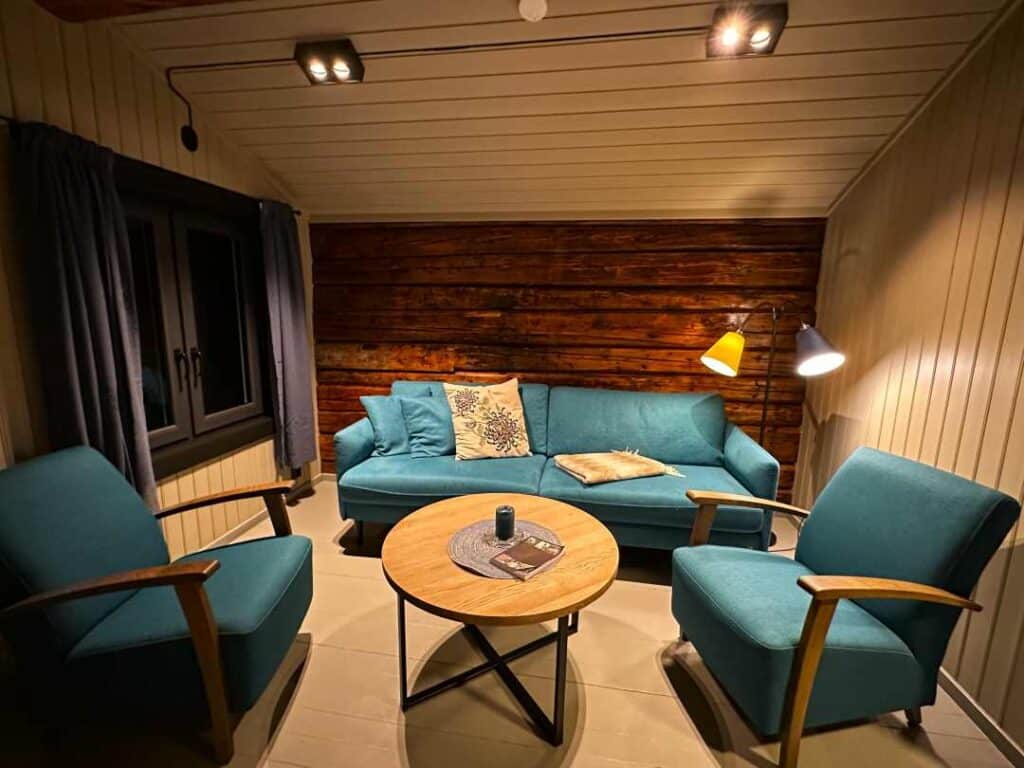
Svolvær works well as your first or last night in Lofoten. Close to the airport, close to the harbor, easy to reach even without a car. Public transport is frequent during high season, but requires a bit more planning in low season.
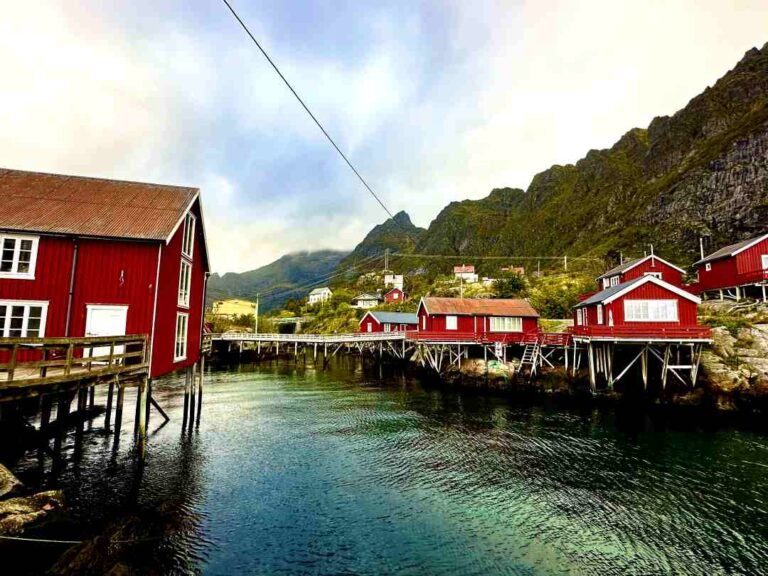
Svinøya Rorbuer is the fishermen’s cabin resort on Svinøya Island, where you have the Børsen restaurant. Here you can stay in old rorbuer (above) and enjoy some truly fine dining, a bar in historic surroundings, and incredible views from the windows.
On the main island in the center of Svolvær, you have two Thon Hotels, both modern and very centrally located, right in the center with cafes, restaurants, bars, culture and activities two minutes away.
A good budget option in Svolvær is Fast Hotel Svolvær, one minute from the town square and harbor, and only 5-6 minutes walking distance from everything. This is a self-check-in place; the beds are nice, and it is clean and delicate, but nothing more.
For anywhere further south, I’d rather you stay closer to what you’re actually there to see. My full breakdown of options across the islands is in Best Places to Stay in the Lofoten Islands.
When to Visit Svolvær
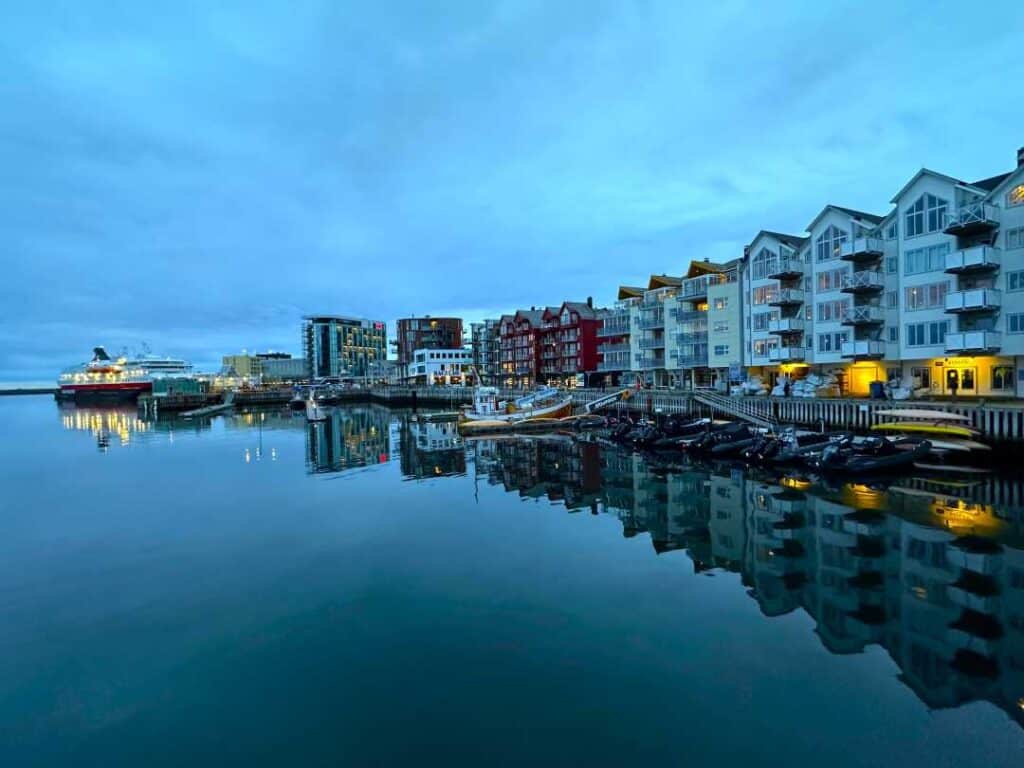
Svolvær works year-round, which is more than I can say for most of Lofoten. Summer brings the midnight sun and the longest hiking window for Fløya.
Winter brings northern lights, skrei season, and a real chance of being iced in on the staircase — check conditions before you commit to the hike.
I’ve written month-by-month breakdowns if you want more detail: Lofoten in September, Lofoten in October, and Norway in December all apply to Svolvær as much as anywhere else in the archipelago.
My Best General Tips
I have lots of tips when it comes to being a good visitor in Lofoten in my blog, but let me just mention a few ones here relating to Svolvær in particular.
- Don’t park at the churchyard lot for Fløya unless you’re there early — it fills up before most tourists are awake.
- If the Djevelporten scramble looks sketchy in photos, that’s because it is. Turn back if it’s wet. The view from lower down is still good.
- One night in Svolvær can be enough if you’re using it as a gateway. Two if you want Kabelvåg and a proper look at the art center without rushing.
- After reading all these things you can do, maybe you want to stay for three nights.
- Rent the car in Svolvær if you’re picking one up at the airport; don’t wait until Leknes.
- Always check the weather forecast several times a day. It changes quickly.
- If you visit in shoulder season or winter, ask locals for advice about hikes, activities and driving conditions.
How to Get to Svolvær
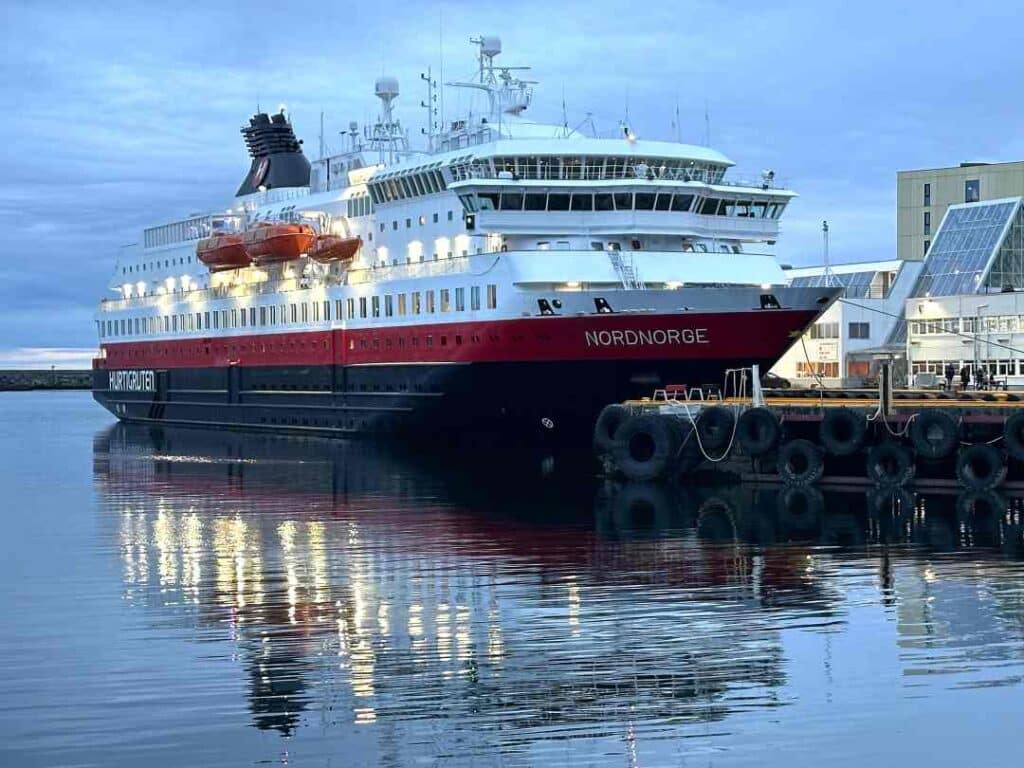
Svolvær has its own airport (airport code SVJ), with daily year-round Widerøe flights to Bodø and seasonal connections to Tromsø and Oslo. If you’re flying in, this is likely your first stop in Lofoten, whether you planned it that way or not.
The Hurtigruten coastal ship also docks here daily on its route along the Norwegian coast. When I moved from the North Cape to Reine, I took the Hurtigruten from Honningsvåg to Svolvær, and then the bus onwards to Reine. And you exit in the middle of the town center (mind you, it is a really small town).
Driving in, you’ll come off the E10, Lofoten’s main artery, which also connects Svolvær to Kabelvåg, Henningsvær, Leknes, and down to Reine. I’ve written a separate guide to driving in Lofoten if you’re renting a car, which — for Svolvær and the northern islands especially — I’d recommend over relying on buses.
FAQ
Is Svolvær worth visiting, or should I skip straight to Reine? Both. Svolvær is worth a day on its own merits. The Fløya hike alone justifies the stop, but it’s not a substitute for the southern islands if that’s what you came for.
How many days do you need in Svolvær? One full day covers the hike and the harbor. Two lets you add Kabelvåg and the Trollfjord safari without rushing. Three if you want the full experience.
Do you need a car in Svolvær? Not for the town itself; it’s walkable. You’ll want one for Kabelvåg, for heading south toward Henningsvær and Reine, or for most of Lofoten beyond the town center. There is public transport, more often in summer than winter.
Is Svolvær or Henningsvær better? Well, they are different. Svolvær is the town, a practical gateway with more services and better hikes. Henningsvær is the postcard fishing village and cultural hub. See both if you can; my guide to Henningsvær covers that comparison in more depth.
Wrap Up Best Things To Do In Svolvær
Svolvær has some amazing hiking, eating, and cultural offers, but it is not like the wild western part of Lofoten. Although, remember I am biased, as I live in the wild west, in Reine.
When I go to Svolvær, I feel I am going on a big city trip, if that puts it into perspective for you.
So bottom line, Svolvær is the working gateway town with genuinely good hikes, boat trips worth taking, and a harbor worth a slow walk before you drive on. And dont forget the restaurants, amazing dining options. So give it the day it deserves before you head south.
For the rest of the archipelago, start with my Lofoten Islands Travel Guide, or check Best Time to Visit Lofoten if you’re still working out your dates.